Dry eye disease is surging in Australia: what to know and when to get checked
Recently The Age reported a surge in dry eye disease across Australia: the condition is now estimated to affect about 85 per cent of the population at some point in their lives, up from about 7 per cent three decades ago, and specialty dry eye clinics around the country are carrying waiting lists of five to eight weeks. The reporting is worth reading. Here is what sits behind those numbers, and what to do if they sound like your eyes.
What is driving the surge
The short answer is screens, and the way they change blinking. Optometrists quoted in The Age describe the mechanism plainly: people blink 12 to 15 times a minute in conversation or reading a book, and five to six times a minute on a device. The eyelid glands that release the oily layer of the tear film only open properly on a full blink, so fewer and shallower blinks mean a tear film that evaporates faster than it is replaced. We wrote about that mechanism in detail, and what an assessment involves, in our piece on dry eyes at work.
The pandemic accelerated it. Optometry Australia's Vision Index found 55 per cent of people with the condition reported developing it after 2020, the period when long screen hours became the norm for work and everything else.
No longer an older person's condition
Dry eye was once seen mainly in older patients. That has changed. The Brisbane optometrist who leads the newly formed Dry Eye Society told The Age he now treats patients as young as 17 with screen-linked dry eye. The condition is also more common in women, and it is shaped by more than screens: ageing, windy or dry weather, air conditioning, some medications and some health conditions all contribute.
That mix matters, because it means the same gritty, tired, fluctuating-focus symptoms can have different causes in different people, and the right management depends on which pattern is yours.
Long waits are not the only path to an assessment
The most striking detail in the reporting is the queue: five to eight weeks to be seen at one specialty dry eye clinic, and Victoria's only public optometry provider grappling with a growing list of its own.
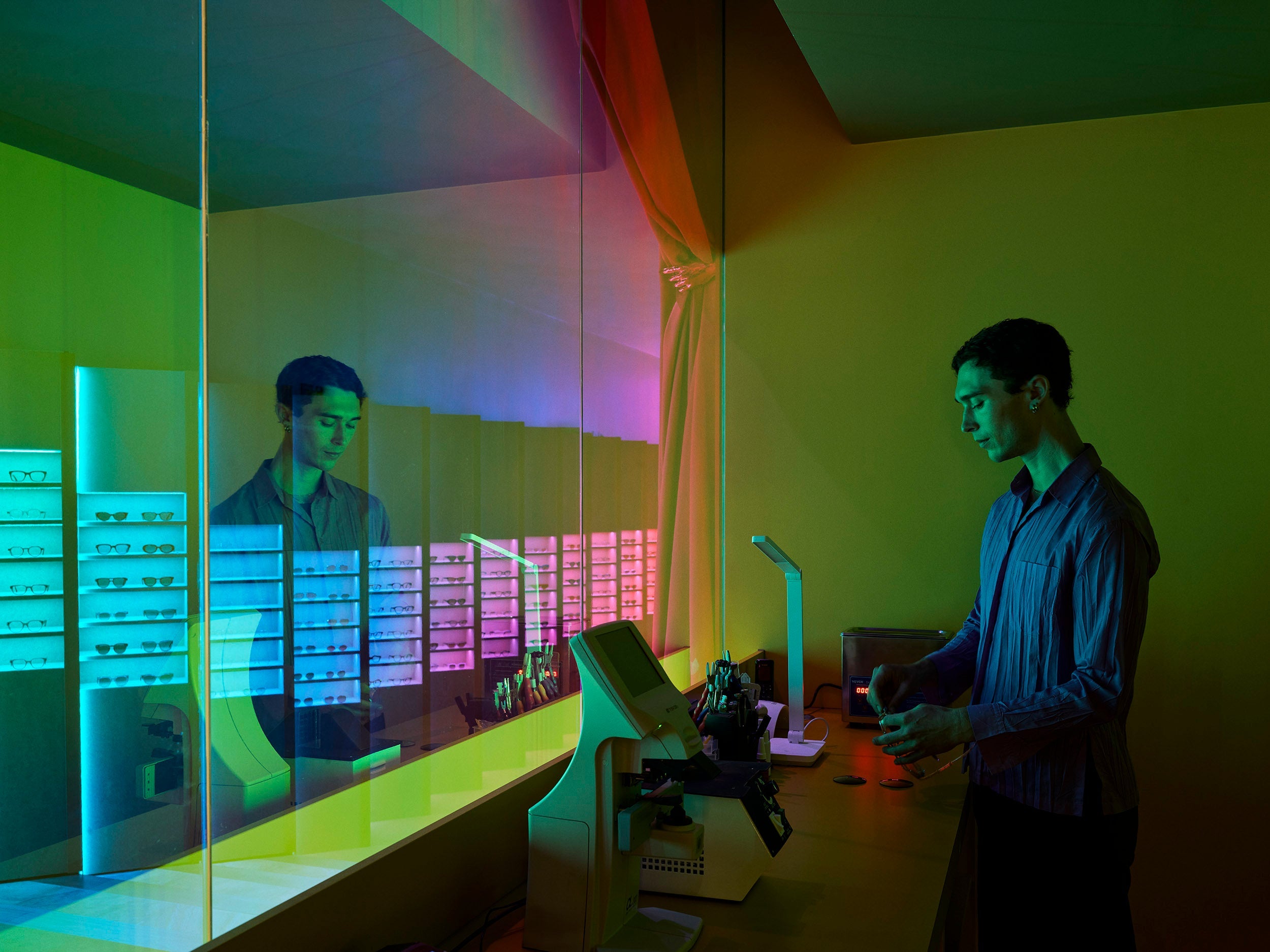
Worth knowing: you do not need a specialty clinic, or a referral, to have dry eye properly assessed. At Six Six, dry eye is reviewed as part of every comprehensive eye examination: tear film quality, meibomian gland function and the health of the eye's surface, in the same unhurried 30-minute visit as the rest of your eye health. Because Dr Natalie Boffa is a therapeutically endorsed optometrist, management that needs prescription eye drops can usually happen in the practice, and where a case genuinely needs clinic-based treatments or an ophthalmologist, the referral is organised for you with the findings attached, so you join any queue with the workup already done.
If symptoms are sudden or severe, one red or painful eye rather than two dry ones, call the practice on +61 3 7056 8458 rather than booking online; we reserve space in the day for urgent appointments where possible.
What actually helps, starting this week
The advice the optometrists gave The Age is the same advice we give in the examination room:
- The 20-20-20 habit, with blinks. Every 20 minutes, look away from the screen to something beyond 20 feet, and blink fully, 20 deliberate blinks. It partially restores what screen work suppresses.
- Complete blinks, not just more blinks. The oil glands release on the pressure of a full blink. Screens produce shallow, incomplete ones.
- Mind the environment. Air conditioning lowers humidity and adds airflow; repositioning a desk away from a vent helps more than it sounds like it should.
- The unglamorous basics. Hydration, adequate sleep, and omega-3 rich foods such as fish are all standard optometric advice for tear film health.
- The right drops, not just any drops. Over-the-counter lubricants often help, but formulations differ and, as Optometry Australia noted in the reporting, some products can cause a rebound effect. If you are reaching for drops most days, that is the point to have the pattern assessed rather than rotating bottles.
- Warm compresses, done at a frequency matched to what an assessment actually finds, can help restore oil gland function.
When to stop self-managing and get checked
Book an assessment if dryness, grittiness or burning is a most-days experience, if your vision blurs and then clears when you blink, if contact lenses have become uncomfortable by afternoon, or if drops only help briefly. The reporting makes the honest case for not ignoring it: severe, untreated dry eye disease can permanently damage the eye's surface. Most cases never get near that point, and the earlier the pattern is identified, the simpler the management tends to be.
Visit
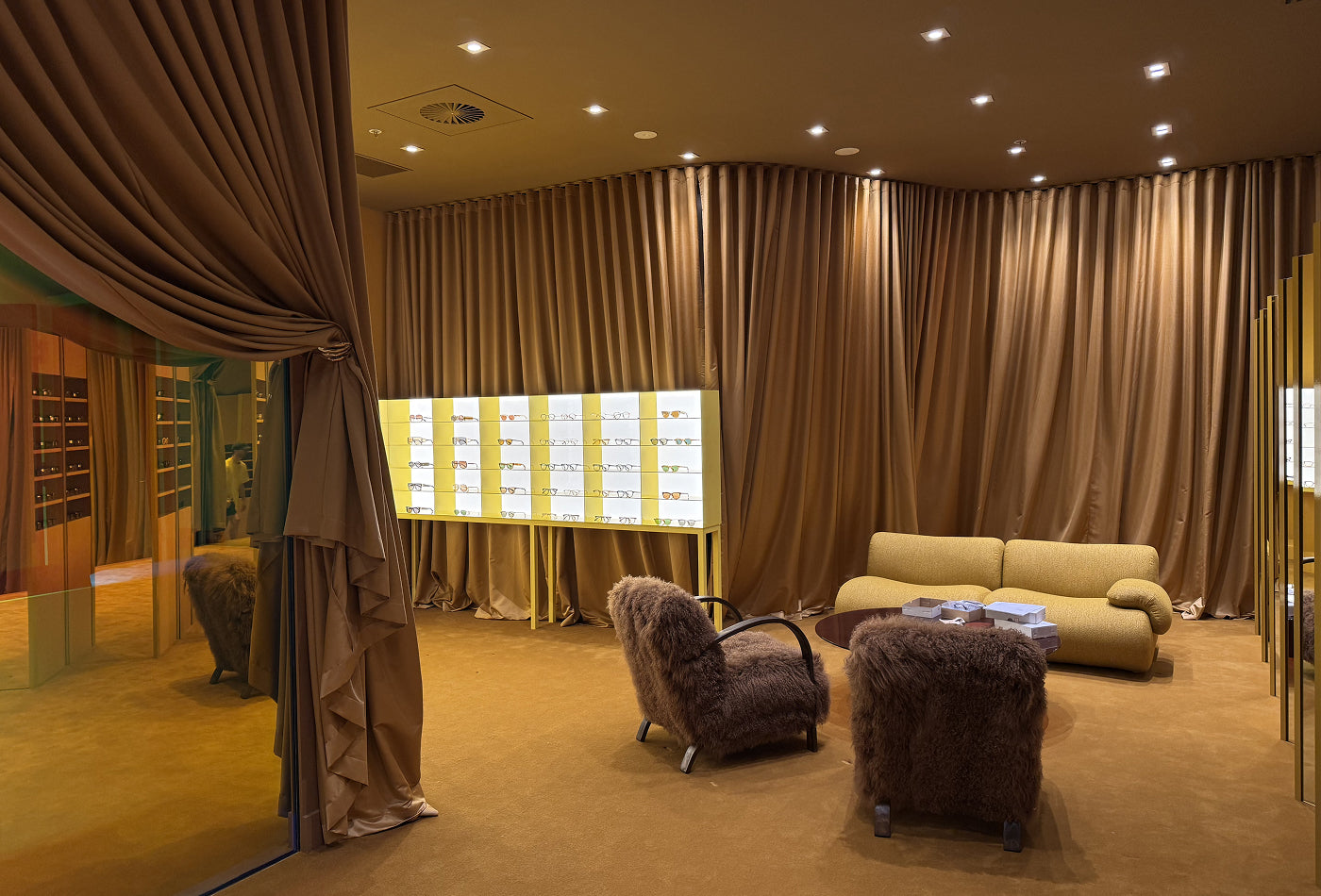
Six Six is at 112 Little Collins Street, at the Paris end of Melbourne's CBD. Dry eye is assessed within a comprehensive eye examination with Dr Natalie Boffa, booked online or on +61 3 7056 8458, no referral needed. Six Six is a private billing practice; for eligible patients the Medicare rebate is processed on the spot, and fees are published so you know where you stand before you book.
Frequently asked questions
Is dry eye disease really that common?
Current estimates cited by The Age put it at about 85 per cent of Australians experiencing the condition at some point in their lives, up from about 7 per cent 30 years ago. Optometrists attribute much of the rise to increased screen use, which roughly halves how often we blink.
Can teenagers and young adults get dry eye?
Yes. Optometrists are now reporting screen-linked dry eye in patients as young as 17. The condition was once associated mainly with age, but blink behaviour on devices affects every age group.
Do I need a referral or a specialty clinic to get assessed?
No. Dry eye is assessed as part of a comprehensive eye examination at Six Six, booked directly online or by phone. Where a case genuinely needs specialist or clinic-based treatment, a referral is organised with the assessment findings attached.
Is the 20-20-20 rule enough on its own?
It helps, and it costs nothing, but it addresses one contributor: reduced blinking during screen use. If symptoms persist most days despite good habits, the underlying pattern, whether the eyes are not producing enough tears or the tears are evaporating too quickly, needs an assessment to identify.
Are supermarket eye drops safe to use every day?
Often, but not always. Formulations differ for different tear film problems, and Optometry Australia advises that some over-the-counter drops can cause a rebound effect. Daily reliance on drops is a reason to be assessed, so the drops you use are the right ones.
What happens if dry eye is left untreated?
Most dry eye is manageable and stays that way. In severe, untreated cases the condition can lead to lasting damage to the eye's surface, including scarring of the cornea, which is why persistent symptoms deserve assessment rather than indefinite self-management.